Shipping a car can seem like a complex process, but with the right knowledge and preparation, it can be a straightforward and stress-free experience. Whether you’re moving to a new city, buying or selling a vehicle, or relocating for work, understanding the Greensboro car transport process is key to ensuring your car arrives safely and on time. In this step-by-step guide, we’ll walk you through everything you need to know about shipping your vehicle with ease.
Step 1: Researching Car Transport Companies in Greensboro
The first step in shipping your car is finding a reliable and trustworthy transport company. There are several companies offering car shipping services in Greensboro, so it’s important to do thorough research before choosing one. Look for the following:
- Reputation: Read customer reviews, testimonials, and check ratings on trusted review platforms. A company with a good reputation will provide a smoother and more reliable service. Experience: Choose a company with years of experience in the car transport industry. Experienced companies understand the logistics and challenges involved in transporting vehicles. License and Insurance: Ensure the company is licensed by the Federal Motor Carrier Safety Administration (FMCSA) and offers adequate insurance coverage for your vehicle during transit. Services Offered: Some companies offer specific services such as door-to-door delivery, enclosed transport, or expedited shipping. Make sure the company offers the services you need for your specific situation.
Step 2: Getting a Quote for Vehicle Transport
Once you've narrowed down your options, it’s time to request quotes from the car transport companies. The cost of shipping a vehicle depends on several factors, including:
- Distance: The farther your car needs to travel, the higher the cost. Local shipments are generally cheaper than long-distance ones. Vehicle Type: Larger vehicles, like trucks and SUVs, often cost more to ship than smaller sedans. Shipping Method: Open carrier transport is the most affordable option, while enclosed transport, which provides more protection, tends to be more expensive. Time of Year: Shipping during peak seasons like summer or holidays may increase the price. Shipping during off-peak seasons is often cheaper.
Be sure to get multiple quotes to compare pricing and services. Some companies may offer discounts, and it’s always a good idea to ask about any promotions or special rates.
Step 3: Choosing the Right Shipping Method for Your Car
Once you've received your quotes, you’ll need to choose the best shipping method for your car. Here are the two main options to consider:
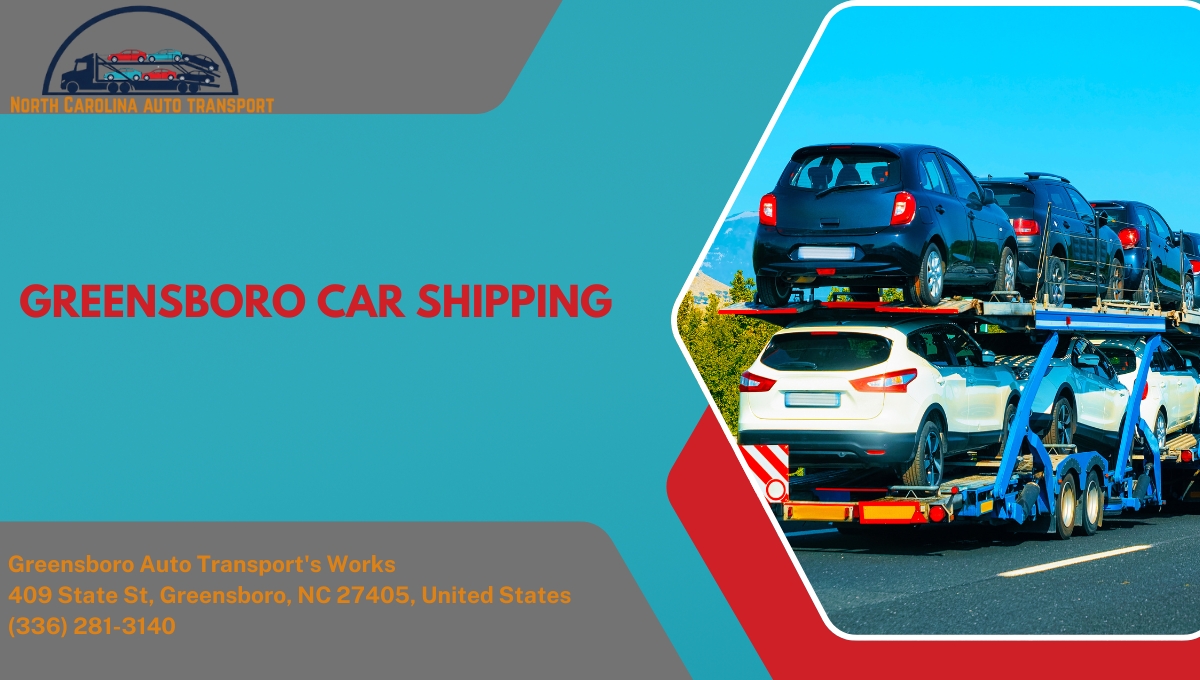
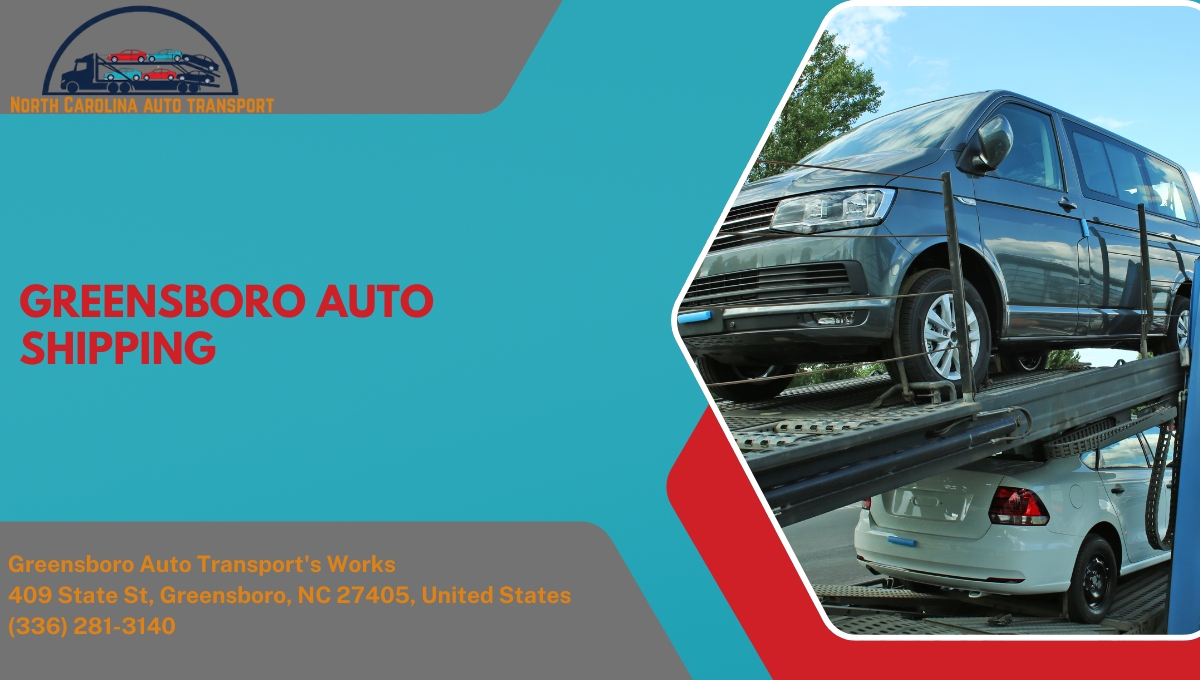
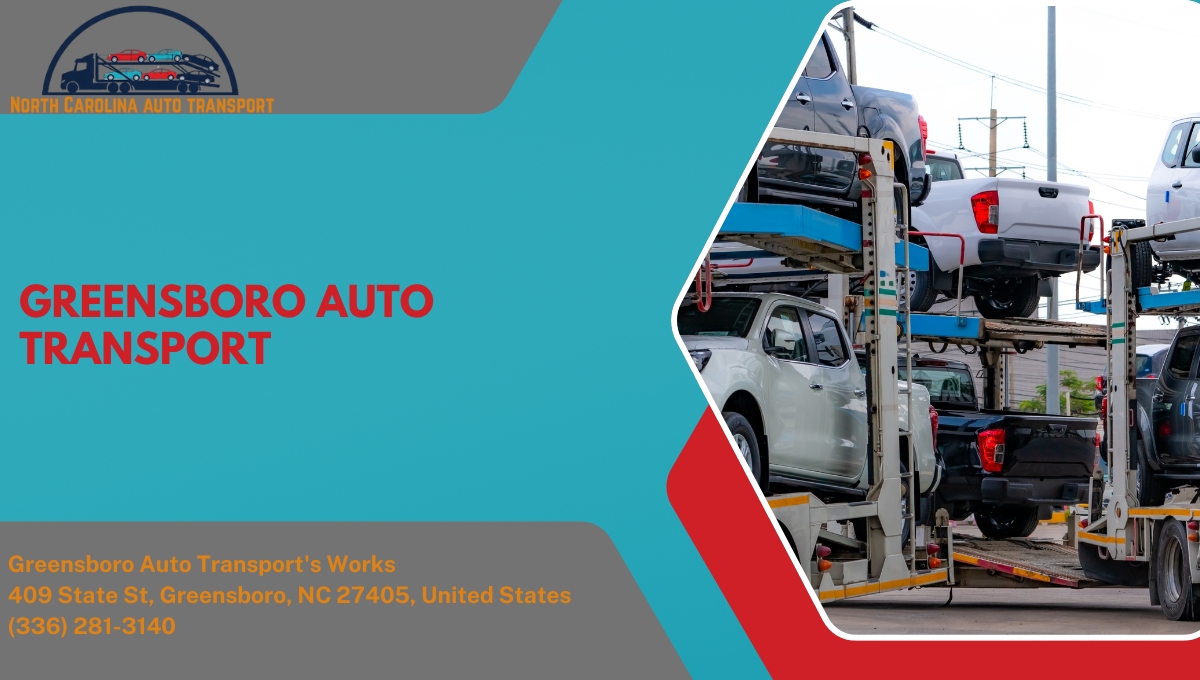
- Open Carrier Transport: This is the most common and affordable method for shipping vehicles. Your car is loaded onto an open carrier along with other vehicles. While this method is safe, your car will be exposed to weather conditions during transport. Enclosed Carrier Transport: If your car is a luxury, classic, or antique vehicle, or if you simply want extra protection, enclosed transport is a great option. Your vehicle will be transported in an enclosed trailer, providing shelter from the elements and road debris. This method is more expensive but offers greater peace of mind.
Discuss these options with your chosen transport company to determine which method works best for your car and your budget.
Step 4: Preparing Your Car for Transport
Before your car is picked up, there are several things you need to do to prepare it for transport. Proper preparation will help ensure the process goes smoothly and reduce the risk of damage. Here’s a checklist:
- Clean Your Car: Washing your vehicle helps the transporter assess its condition and makes it easier to spot any existing damage. This is important in case you need to file an insurance claim. Remove Personal Items: Most car transport companies do not allow personal items to be left in the vehicle. Remove any belongings from your car to avoid theft or damage during transit. Check for Leaks: Make sure your car doesn’t have any fluid leaks. Transport companies prefer vehicles that are in good running condition, so checking for leaks and fixing them beforehand is important. Take Photos: Document the condition of your car by taking clear photos of its exterior and interior. This will serve as a record in case of any damage during transit. Check Fluid Levels: Ensure your car has enough fuel, oil, and other fluids to make it functional for transport. However, keep the fuel level at around a quarter tank, as this reduces the weight of the vehicle and helps lower shipping costs. Disable Alarms: If your car has an alarm system, make sure to disable it before transport to prevent it from going off during the journey.
Step 5: Scheduling the Pickup and Delivery
Once your car is prepared, it’s time to schedule the pickup. The transport company will arrange a convenient time for their driver to come to your location. For door-to-door transport, the driver will pick up your car from your address and deliver it to your destination. Terminal-to-terminal shipping is another option, where you drop off your car at a designated terminal and pick it up from a terminal at the destination.
Make sure to confirm the details of the pickup and delivery timeframes. It’s also a good idea to stay in touch with the transport company for updates, especially if there are any delays or changes to the schedule.
Step 6: Inspecting Your Vehicle Upon Delivery
When your car arrives at the destination, it’s crucial to inspect it carefully for any damage that may have occurred during transport. Here’s what to do:
- Inspect the Exterior: Look for scratches, dents, or any other damage on the vehicle’s exterior. Compare the condition to the photos you took before shipping. Check the Interior: Make sure the interior of your car is in the same condition as when you sent it off. While personal items shouldn’t have been left in the car, check to ensure there’s nothing out of place. File a Claim (if necessary): If you notice any damage, report it to the transport company immediately and file a claim with their insurance provider. Having detailed documentation and photos will make this process easier.
Once you’ve inspected your car and everything looks good, you can sign off on the delivery and complete the transaction.
Conclusion
Shipping your vehicle from Greensboro Greensboro auto shippers can be a simple and stress-free process if you follow these steps. By choosing a reliable car transport company, preparing your vehicle properly, and staying on top of communication, you can ensure that your car arrives safely and on time. Whether you're relocating, buying, or selling a vehicle, understanding the car transport process will help you make informed decisions and enjoy a smooth shipping experience.
Contact Us:
Greensboro Auto Transport's Works
Address: 409 State St, Greensboro, NC 27405, United States
Phone: (336) 281-3140